How to Shower After ACL Surgery
Apr 4, 2026 | Blog
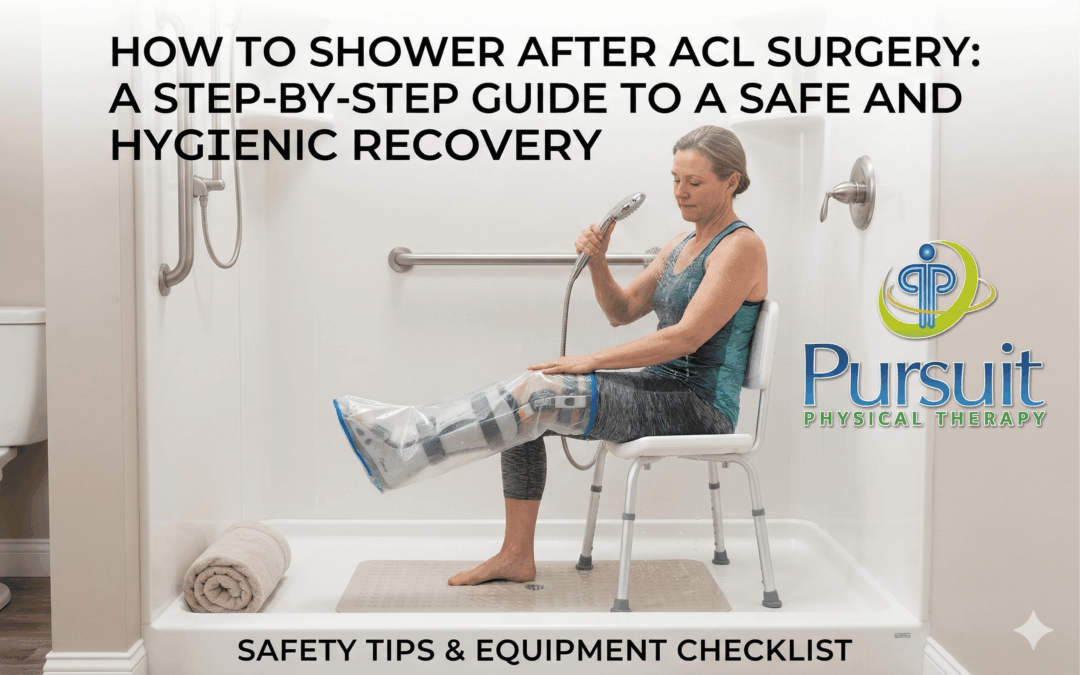
How to Shower After ACL Surgery
If you are wondering how to shower after ACL surgery, the short answer is this: most people can shower once their surgeon says it is safe, but the knee, dressing, and incision need to stay protected. For some patients that is within the first 24 to 72 hours. For others, it may be longer depending on the procedure, stitches, swelling, drainage, and your surgeon’s instructions. The safest rule is simple. Follow your surgeon first, and treat any online advice as general guidance.
The first shower after ACL surgery can feel like a big deal. You are sore, your leg may feel weak, you may be wearing a brace, and the last thing you want is to slip or get the incision wet too soon. The good news is that with a little planning, showering after ACL surgery is usually very manageable.
When Can You Shower After ACL Surgery?
There is no one-size-fits-all answer because every surgeon uses a slightly different post-op protocol. Some patients are told they can shower after 24 to 48 hours if the dressing stays dry. Others are told to wait 48 to 72 hours or until the first dressing change. If your surgeon told you a specific timeline, that is the timeline to follow.
In general, you should not let the incision get directly soaked unless you have been cleared to do so. Even if you are allowed to shower, that does not mean you are ready for a bath, hot tub, or pool. Showering and soaking are not the same thing. A quick, controlled shower is very different from letting the surgical site sit in water.
Before You Shower, Set Everything Up First
The easiest way to make showering safer is to prepare the bathroom before you even turn the water on. Have a clean towel ready. Place toiletries where you can reach them without twisting or balancing on one leg. If you have a shower stool or shower chair, put it in place first. If you are using crutches, make sure they are nearby but outside the wet area so they do not slide.
You will also want something to protect the dressing or incision. Many people use plastic wrap, a waterproof bandage, or a plastic cover designed for post-surgical use. The goal is to keep the surgical area as dry as possible until your surgeon says normal showering is okay.
How to Shower After ACL Surgery Step by Step
Start by confirming whether you should keep your brace on or remove it for the shower. Some patients are told to remove the brace carefully for bathing. Others are told to leave it on or limit movement while the brace is off. If you are not sure, use the instructions you were given after surgery.
Next, cover the knee and dressing. If your surgeon told you the dressing must stay dry, seal it well before stepping into the shower. Avoid pointing the water directly at the incision. Keep the water warm, not hot, and move slowly. This is not the time to rush.
If standing feels unsteady, sit on a shower stool. That can make the whole process easier and reduce your risk of slipping. Many patients feel more secure sitting for the first few showers, especially if they still have swelling, pain, or limited weight bearing.
Once you are finished, step out carefully and dry off right away. If your incision is allowed to get a little wet, do not scrub it. Pat it dry gently with a clean towel. If your care instructions say to replace a dressing or bandage after showering, use a fresh one.
Do Not Soak the Knee Too Soon
This is one of the biggest mistakes patients make. Being allowed to shower does not mean you are cleared to soak the leg. Baths, hot tubs, pools, and long soaks can raise the risk of irritation or infection if the incision has not fully healed. That is why most surgeons tell patients to avoid submerging the knee until the wound is closed and they have been cleared in follow-up.
If you are craving a normal bath, hold off until your surgeon says the incision is fully healed. It is worth the wait.
Can You Get the Incision Wet?
That depends on your stage of healing and your post-op instructions. Early on, many patients are told to keep the incision and dressing dry. Later, some are told it is okay for clean water to run over the area briefly in the shower as long as they do not scrub it and they pat it dry afterward. If there is any drainage, redness getting worse, or concern about how the incision looks, contact your surgeon’s office.
A good general mindset is this: be gentle, be clean, and do not do anything aggressive around the incision site. No rubbing. No ointments unless specifically prescribed. No soaking. No guessing.
Tips to Make Showering Easier After ACL Surgery
Give yourself more time than usual. The first couple of showers may take longer, and that is completely normal. Wear non-slip footwear if your surgeon allows it. Use a handheld shower head if you have one. Ask someone to stay nearby the first time in case you need help getting in or out. Keep the bathroom floor dry and uncluttered. Small things like that can make a big difference.
If showering feels like too much in the first few days, a sponge bath may be the better option until you feel steadier. There is nothing wrong with easing into it. Recovery after ACL surgery is not about proving toughness. It is about protecting the repair and healing the right way.
When to Call Your Surgeon
Reach out to your surgeon if the incision starts draining, the area becomes more red or warm, you notice a bad smell, you develop a fever, or your pain suddenly gets worse. Those signs do not always mean something serious is happening, but they are worth checking right away. It is always better to ask than to wait.
Why This Matters for Recovery
Showering may seem like a small thing, but after ACL surgery it is one of those everyday tasks that can either go smoothly or become a setback if you are careless. Protecting the incision, avoiding slips, and following your post-op instructions all help reduce unnecessary risk during the early healing phase.
If you are unsure about anything, the best move is to contact your surgeon or physical therapist and ask exactly what is okay for your situation. ACL recovery is never identical from one patient to the next, so personalized instructions matter.
Need Help After ACL Surgery?
At Pursuit Therapy, we help patients move through ACL rehab with confidence, from the earliest post-op phase to strength, stability, and return-to-sport progressions. If you have questions about recovery, mobility, swelling, or what comes next in rehab, our team is here to help.
Frequently Asked Questions
How soon can I shower after ACL surgery?
Many patients are cleared to shower within 24 to 72 hours, but the exact timing depends on the surgeon’s instructions, the dressing, and how the incision is healing. Always follow the timeline given to you after surgery.
Can I take a bath after ACL surgery?
No, not right away. Showering is often allowed before soaking. Most patients need to avoid baths, hot tubs, and pools until the incision is fully healed and the surgeon says it is safe.
Do I need to keep my ACL incision dry in the shower?
In the early phase, yes. Many surgeons want the dressing and incision kept dry with plastic wrap or waterproof covering. Later on, some patients may be allowed to let water run over the incision briefly, then pat it dry.
Should I wear my brace in the shower after ACL surgery?
That depends on your surgeon’s instructions. Some patients are told they can remove the brace carefully for showering, while others need to keep it on or limit movement when it is off.
Is a shower chair helpful after ACL surgery?
Yes. A shower chair or stool can make your first showers much safer by reducing the chance of slipping and giving you more stability while your knee is still weak or painful.
What if I am not ready to shower after ACL surgery?
A sponge bath is a reasonable option if you feel unsteady, uncomfortable, or unsure. It is better to stay safe and keep the incision protected than to rush into a full shower too soon.
What should I do if my incision gets wet?
If your incision gets wet before you were cleared for that, gently pat it dry and contact your surgeon’s office for guidance, especially if the dressing becomes soaked or the area starts draining.
What are signs of infection after ACL surgery?
Call your surgeon if you notice increasing redness, warmth, drainage, fever, foul odor, or worsening pain around the incision.